From policy patchwork to system thinking: why resource reforms need to work together
Published: 01st September 2026
The UK is facing the most significant overhaul of waste and resource policy in a generation.
Extended Producer Responsibility (EPR), the expansion of Emissions Trading Scheme (ETS) to energy from waste, a Deposit Return Scheme (DRS), and Simpler Recycling all aim to tackle some of the country's biggest environmental challenges.
Individually, each policy has a clear purpose. Together, they have the potential to transform how resources are managed, improve recycling rates, reduce carbon emissions, and support the transition to a more circular economy.
However, there is a risk that these reforms are developed and implemented in isolation, rather than as part of a coherent framework. The challenge facing policymakers is ensuring that they work together effectively.
The importance of joined-up policy
The UK's waste and resources sector spans four important areas: environmental protection, climate action, economic growth and public service delivery.
Decisions made in one area inevitably affect outcomes in another. Each policy addresses a different objective, yet all influence the same materials, infrastructure, organisations and supply chains.
EPR and unintended consequences
EPR is designed to ensure producers contribute towards managing the packaging waste that they place on the market. It aims to encourage more sustainable packaging choices, by incentivising producers to rethink their packaging and avoid the charge – switch from plastic to biodegradable materials, for example.
However, could it just result in plastic moving into products that EPR doesn’t cover, sending the problem elsewhere in the system?
Equally, efforts to reduce fossil-based plastics in packaging are likely to drive greater use of bio-based alternatives. While positive at first glance, demand for bio-based feedstock could create new pressures elsewhere, including biodiversity loss, deforestation and monoculture farming. Without a more holistic approach, there is a risk that policies simply shift environmental impacts rather than reducing them overall.
DRS could impact kerbside recycling
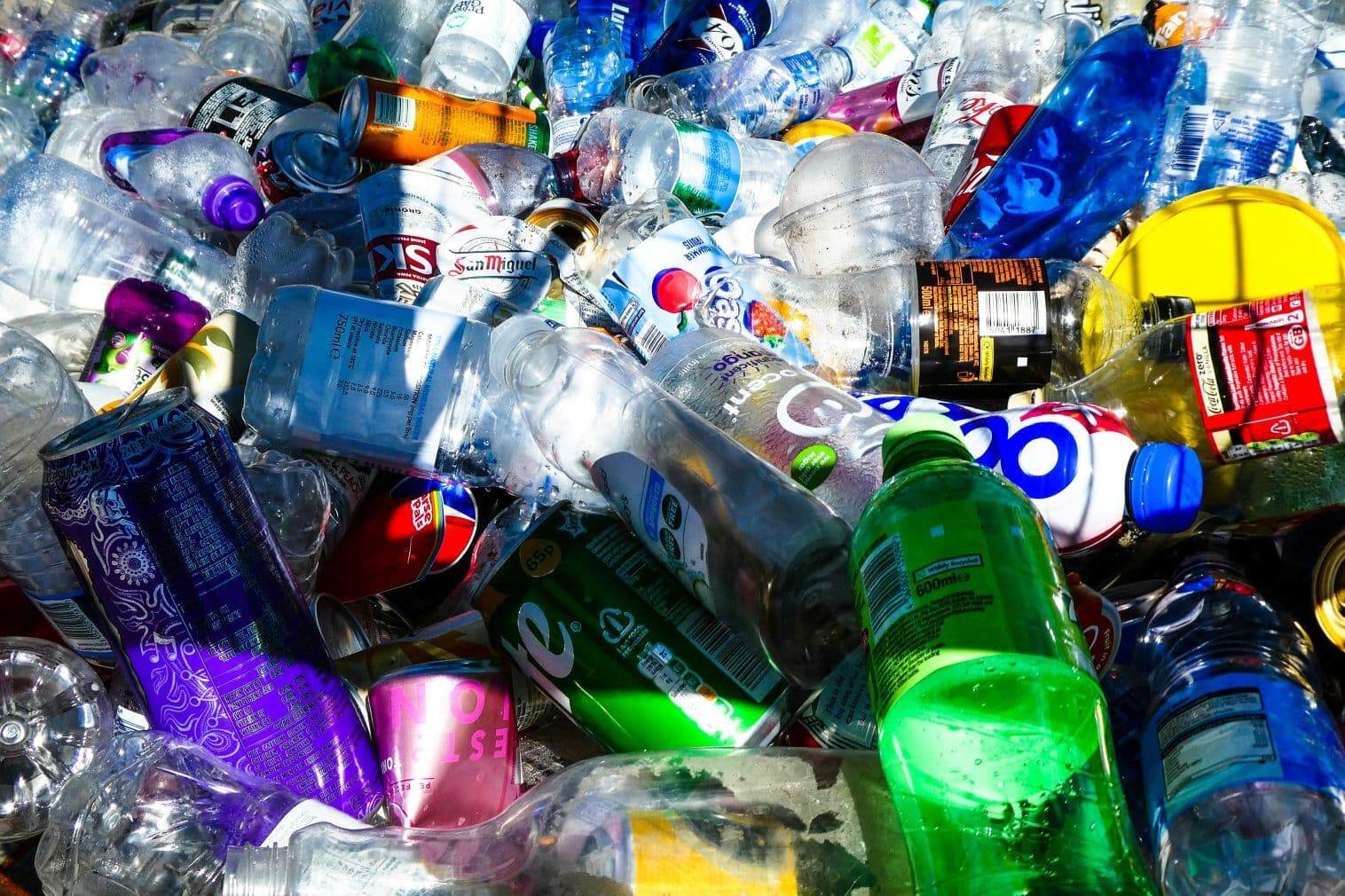
Similarly, DRS is designed to increase the collection and recycling of drinks containers, yet our data shows these materials are already widely recycled by the public and provide a valuable income stream for local authorities.
These are not arguments against either policy, but an illustration of how important it is to consider how reforms interact with the rest of the system.
Aligning funding and incentives
Understanding how policies interact is only part of the challenge. It’s also important to consider where costs land, who benefits from the revenue, and whether organisations have the resources needed to deliver the outcomes policymakers are seeking.
Reinvest ETS to improve infrastructure
Under current proposals, local authorities will bear the brunt of ETS costs on residual waste when it’s processed at energy from waste (EfW) plants, despite having no control over the materials that producers place on the market and subsequently end up in bins. EPR helps by making producers pay for the packaging waste they create, but a big chunk of high-carbon waste (textiles, we’re looking at you) isn’t part of EPR.
This raises an important question: if ETS is supposed to drive carbon reduction across the waste system, should some of the revenues generated be given back to local authorities in a similar way to EPR? Doing so could help fund better collection, reuse and treatment infrastructure, helping reduce the amount of waste going to EfW and lowering future ETS costs.
Without joined-up thinking, there’s a risk that ETS becomes a cost local authorities have to absorb, rather than an opportunity to invest in reducing emissions over the long term.
Looking at the system as a whole
Whether it’s the flow of materials or the flow of funding, policy is most effective when it’s implemented as part of a bigger picture. Organisations responsible for waste and resource management do not experience EPR, ETS, DRS and other reforms as separate policies. They experience them all at once.
A more integrated approach that looks at the combined impact of these measures across the system would help ensure that costs, responsibilities and investment are aligned and don’t just shift financial burdens from one part of the system to another.
Towards a resource management framework
A framework that brings together the various strands of policy under one roof could be the answer.
It would help position waste and resources as a connected system rather than a series of separate policy challenges. And it would help ensure that environmental objectives, carbon reduction goals, funding mechanisms and service requirements work together in support of a common ambition.
A framework could include:
• Establishing common principles across resource legislation
• Identifying gaps in the patchwork of legislation
• Assessing cumulative impacts across the sector
• Ensuring that funding generated is used to meet longer term goals and support the needs of local authorities
Building a system fit for the future
EPR, ETS and DRS all have important roles to play in delivering environmental improvement and supporting the transition to a circular economy. The opportunity now is to move beyond individual reforms and consider how they interact.
Good policy shouldn't just address one problem at a time; it should work across the wider system that ensures different interventions reinforce one another and align environmental, economic and operational objectives.